Tier Lists for Chained in Backrooms
Rank stages by pain and players by chain position.
How to use these tier lists
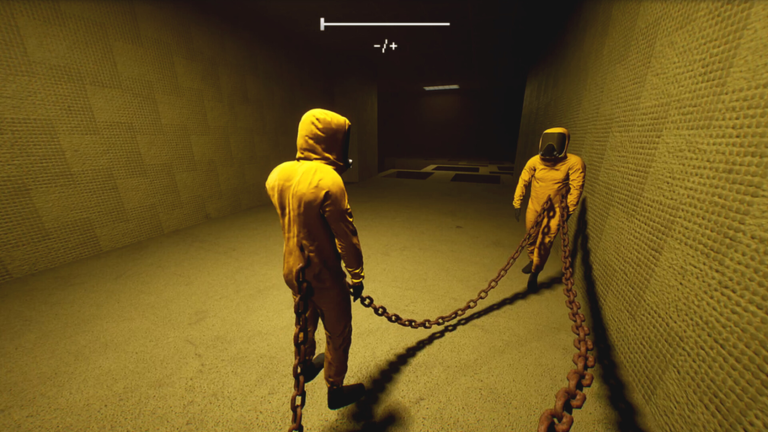
Chained in Backrooms is not a classic PvP fighter roster game. The rankings that actually help parties are level difficulty and team roles on the chain. This hub links both child lists, explains our criteria, and points you to practice resources so S-tier stages stop ending runs. Since the 21 April 2025 launch by Musta and Alexander, friend groups have learned the hard way that “we’re good at obbies” does not equal “we move as one rope.”
Start here if your group keeps wiping on Glass Bridge, freezing on Simon Says, or arguing about who should lead. Then open the detailed pages:
- Level Difficulty Tier List — S through F ranking of missions by wipe rate and coordination demand.
- Team Roles Tier List — Front of chain, Middle, and Back strengths for 1–8 player parties.
Ranking criteria (read before arguing in chat)
We weight:
- Coordination tax — how hard the chain makes a simple jump or color call.
- Fail cost — whether one mistake soft-locks the whole party.
- Threat pressure — entities, moving hazards, or boss patterns stacked on platforming.
- New-player accessibility — can a fresh squad learn it in one attempt?
We do not rank by “cool factor” alone. Maze exploration can feel spooky yet sit in easier tiers because the chain has room to recover. Glass Bridge sits high because spacing errors punish everyone at once. A room can be visually simple and still earn S if one mistimed Pull deletes twenty minutes of progress.
Quick preview: difficulty
| Tier | Examples (summary) | Party note |
|---|---|---|
| S | Glass Bridge, major Boss fights, Simon Says | Call roles early; expect multiple resets |
| A | Dense arcade / timing rooms, tight train hazards | Need clear callers and patience |
| B | Mixed puzzle + light platforming | Manageable with mic |
| C–D | Standard obbies, guided routes | Good warmups |
| F / Onboarding | Early Maze / simple Obby stretches | Teach chain etiquette here |
Full write-ups, why each placement exists, and practice tips live on Level Difficulty. Use F–C rooms to rehearse hold/pull language before you spend the night on S-tier pride.
Quick preview: roles
| Role | Best for | Avoid if |
|---|---|---|
| Front of chain | Pathfinding, first jumps, baiting sightlines | You panic under pressure |
| Middle | Slack control, relaying calls, item handoffs | You ignore chat |
| Back | Sweeping levers behind, watching rear threats, stabilizing pulls | You sprint ahead of the leader |
Deep role advice, duo vs eight-stack notes, and swap rules are on Team Roles. In larger parties, duplicate Middles rather than inventing a fourth mystery job—clarity beats creative titles.
How to practice against the list
- Pick one S or A room as the night’s stretch goal, not five.
- Warm up on two lower-tier rooms so the chain feels loose before precision jumps.
- After each wipe, label the cause: spacing, call silence, entity miss, or item tug-of-war.
- Swap Front after three identical spacing fails; ego is not a strategy.
- Bring Survive Creatures notes into boss and chase approaches.
- Keep the Walkthrough open for zone order, not as a substitute for roles.
Pair tier lists with real prep
- Claim Free Rewards before a long session.
- Run the Team Ready Checklist so mics and roles are set.
- Review Entities audio/visual tells for chase stages.
- Skim Items so keys, arcade machines, and levers are not double-claimed.
- Recheck Codes only for official drops (none active now).
- Skip risky Scripts — they undercut the skill these lists teach.
When the meta shifts
Patches can retune jump pads, boss health, or Simon timing. After a content drop, skim Launch Notes & Updates and the Updates Hub, then revisit these rankings. If a stage feels wrongly placed, play it with a fresh party and compare wipe causes before demanding an instant rerank. Party size also shifts perceived difficulty: a disciplined four-stack often clears S rooms that an unbriefed eight-stack cannot.
Related wiki routes
- Beginners: Getting Started
- Official place + group map: Wiki Links
- Guides hub: Guides
- Pre-run structure: Team Checklist
Use this Tier List Hub as the index, then drill into the two child pages before your next chapter push. Clear roles plus honest difficulty expectations beat random public lobby chaos every time.
Frequently Asked Questions
Quick answers to the most common questions.
What tier lists exist for Chained in Backrooms?
This wiki ranks level difficulty (S–F) and team roles on the chain (Front, Middle, Back). Open the child pages from this hub.
Which levels are the hardest?
Glass Bridge, Boss encounters, and Simon Says typically sit at the top of the difficulty list because one mistake punishes the whole chain.
Should the best player always go Front?
Often yes for pathfinding, but calm callers sometimes belong in Middle. See the Team Roles page for swap rules.
Do patches change these tiers?
They can. Recheck Updates after major patches and replay borderline stages before arguing rankings.