Chained in Backrooms Team Roles Tier List
Front of chain, Middle, and Back — pick positions before you lock the tether.
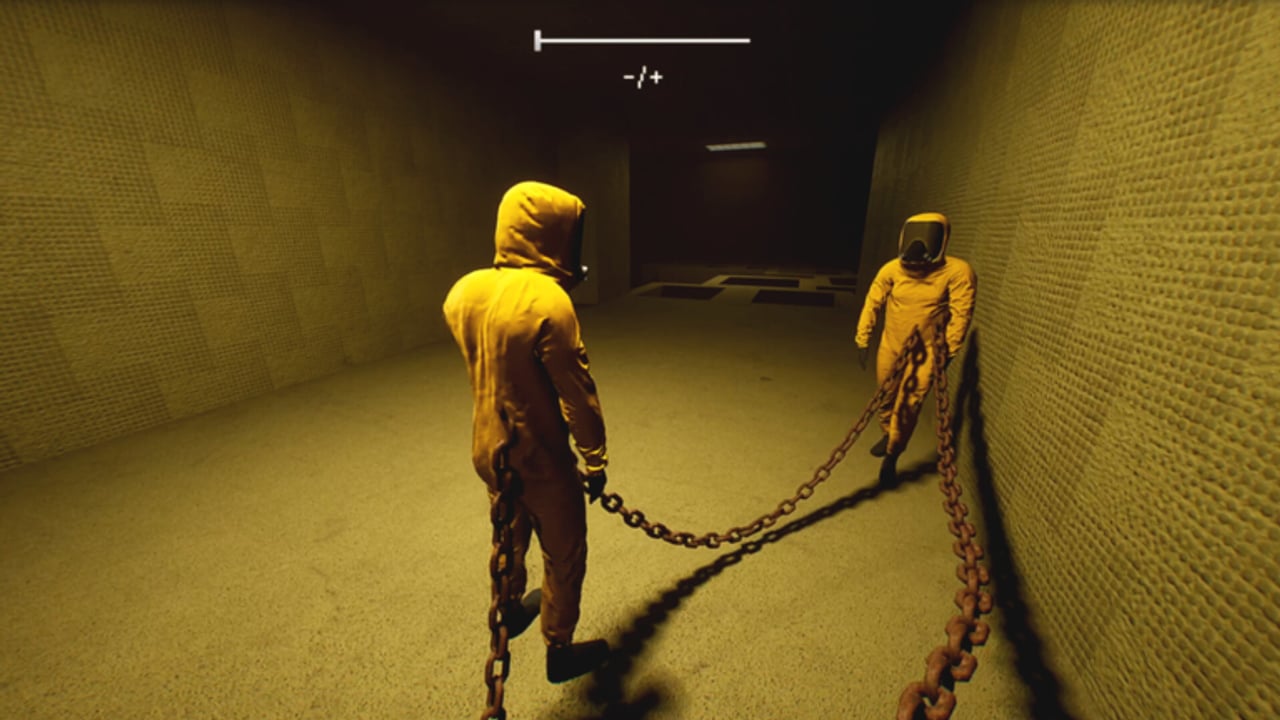
Why chain position is a tier list
In Chained in Backrooms, you are not drafting mythical heroes — you are drafting where each body stands on the tether. Front of chain, Middle, and Back create different failure modes. Ranking these roles by impact helps parties stop arguing mid-Glass Bridge. Read this page, then confirm picks on the Team Ready Checklist before queueing hard stages from the Level Difficulty list.
The game supports 1–8 players. Solo still teaches movement, but roles shine from duos upward. Larger stacks should literally say names out loud: “Alex Front, Sam Mid, Jordan Back.”
S-impact role: Front of chain
Job: Pathfind, take first jumps, set pace, bait or peek threat angles carefully, and stop the party before fatal greed.
Why it ranks highest in impact: Everyone else inherits the Front’s mistakes. A false step on Glass Bridge or a premature color stand in Simon Says cascades down the links. Fronts who mute themselves doom Middles who cannot see the prompt board.
Best traits: Calm voice, decent parkour, willingness to wait, map memory from prior deaths.
Avoid Front if: You tilt after one fail, you refuse to call, or you constantly look backward instead of at the route.
Tips:
- Call “hold” before interacting with suspicious floors.
- On boss rooms, peek telegraphs without dragging the whole snake into the arena center.
- Let Middle confirm item grabs from Items so you are not yanking someone off a lever.
A-impact role: Middle of chain
Job: Manage slack, relay Front calls to Back, handle mid-string interactables, and absorb small desyncs without panic pulls.
Why it ranks high: Middles are the nervous system. In 4–8 player runs, multiple Middles exist — treat them as a relay team. The best Middle repeats calls cleanly: “Simon says pink only — nobody move yet.”
Best traits: Good hearing, short clear callouts, patience, inventory awareness.
Avoid Middle if: You spam memes during color sequences or you sprint sideways stretching both neighbors.
Tips:
- Stand so cameras can see both Front’s feet and Back’s status when possible.
- During arcade clusters, park the chain in a neutral lane so prompts do not overlap.
- If Front goes down, Middle becomes temporary brain until a respawn plan exists — do not invent a new route silently.
B-impact but essential: Back of chain
Job: Watch rear angles, sweep missed levers, stabilize when the chain snaps taut, and announce when the last player has cleared a hazard.
Why it is slightly lower impact than Front: Back rarely chooses the route, but Back still wins or loses train crossings and chase segments. A silent Back who never says “last man clear” causes false starts.
Best traits: Paranoia (useful), entity awareness from Entities, willingness to be last through every door.
Avoid Back if: You hate being last, you constantly tug forward, or you disconnect without warning.
Tips:
- On moving hazards, your “clear!” is the real go signal.
- Pick up stray keys only after calling them — duplicate claims waste time.
- If something stalks from behind, call the tell immediately so Front can stop advancing into a second threat.
Role tier snapshot
| Tier (impact) | Role | Primary win condition |
|---|---|---|
| S | Front of chain | Safe route + disciplined pace |
| A | Middle | Slack + relay + mid interactions |
| B | Back | Rear vision + last-clear calls |
Impact ≠ prestige. A great Back is more valuable than an ego Front. Swap freely between attempts.
Party size variants
Duo (2)
Front + Back only. Middle duties merge into both: shorter callouts, slower pace. Duos should over-communicate.
Trio (3)
Classic Front / Middle / Back. Ideal teaching size for new friends after Getting Started.
Quad to eight (4–8)
Multiple Middles. Number them Mid-1, Mid-2… so lever claims do not collide. Consider a dedicated “Simon caller” who may stand Middle even if they are the best parkour player — hearing beats ego on memory stages.
When to swap roles mid-session
Swap after:
- Two identical wipes caused by Front greed.
- Voice fatigue (give the loudest player a quieter Back slot).
- A player knows a specific room layout better.
- Someone’s internet is unstable — put high ping toward Middle/Back, not Front, when possible.
Do not swap mid-Glass Bridge. Finish the attempt or reset to lobby first.
Anti-patterns that fake “good roles”
- Front that never waits for Back’s clear call.
- Middle that invents conflicting instructions.
- Back that AFKs on their phone during Simon prompts.
- Anyone running injected respawn menus from Scripts instead of learning positioning.
Prep stack for role success
- Free Rewards claimed so nobody alt-tabs mid-brief.
- Difficulty expectations set via Level Difficulty.
- Threat vocabulary shared from Entities.
- Interact plan from Items.
- Final pass on the Team Ready Checklist.
- Official relaunch link from Wiki Links if the server is a mess.
Return to the Tier List Hub after your first clear and note which role actually carried. Next session, put your calmest communicator where the last wipe happened.
Frequently Asked Questions
Quick answers to the most common questions.
Who should be Front of the chain?
A calm pathfinder who calls holds and jumps clearly. Best parkour helps, but communication matters more than ego.
What does Middle do?
Manage chain slack, relay Front’s calls to Back, and handle mid-string interactables without stretching neighbors.
Is Back the least important role?
No. Back’s last-clear calls and rear threat watches decide train crossings and chases. Impact is slightly different, not optional.
Can we change roles after a wipe?
Yes — swap in the lobby between attempts. Avoid reshuffling while standing on a live hazard puzzle.