Chained in Backrooms Entities, Items & Progress
Know what hunts you, what you can interact with, which badges drop, and which passes are optional.
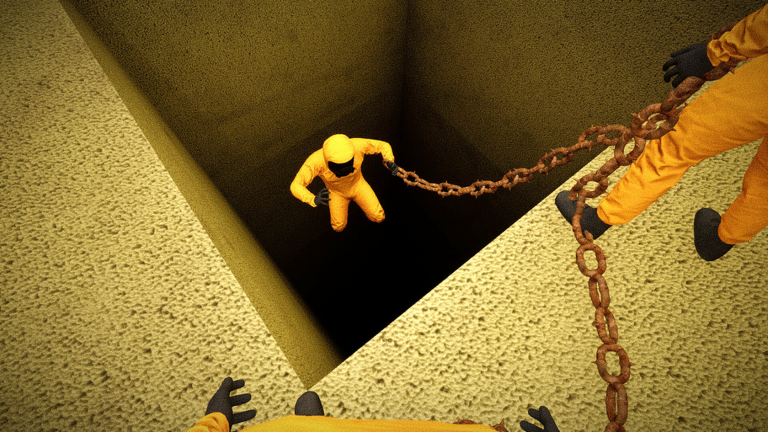
What this hub covers
In many Roblox wikis the Players category means character rosters. For Chained in Backrooms, the useful “roster” is the cast of hostile creatures, the interactable items that gate progress, plus badges and optional gamepasses. This hub renames that idea for players searching threats, tools, and progress stamps: jump into the child pages below, then bring the callouts into co-op voice chat. Released 21 April 2025 by Musta and Alexander, the free place (up to eight chained players) lives or dies on whether your party recognizes a hunt audio cue and who is allowed to grab the next key.
Child pages:
- Entities — behaviors, tells, and survival habits while tethered.
- Items — keys, arcade cabinets, levers, tools, and other interactables.
- Badges — Tragectory Welcomers, level-entry freebies, Machover, Familiarity Core, Over-Industrical, and more.
- Gamepasses — Poop Chain / Love Chain cosmetics, paid revive notes, and what you never need to clear.
Why entities matter more when you are chained
Solo horror games let one person juke freely. Here, a single sprint decision yanks up to seven friends. Creature pressure on Glass Bridge approaches or during lever puzzles turns small mistakes into party wipes ranked on the Level Difficulty Tier List. Learn audio cues (growls, footsteps), visual tells (light flicker), and when to hide versus burst the objective.
Assign who watches threats using Team Roles: Back often owns rear vision; Front owns route peeks; Middle relays. If nobody owns rear vision, chase segments become accidental bait chains—exactly the wipe pattern Survive Creatures warns about. Treat entity knowledge as co-op infrastructure, not lore trivia.
Entity overview for callers
Use this high-level map before deep-diving the child page:
- Ambient stalkers patrol maze-like spaces; stop the file when lights or footsteps feel wrong.
- Chase pressure forces forward motion; agree sprint calls so opposite panics do not snap the rope.
- Boss creatures demand telegraph callouts and short chain length so one hit does not drag the whole party.
Front peeks; Back confirms clear; Middle repeats the call once. That three-beat pattern survives louder lobbies better than overlapping chatter.
Why items deserve their own page
Progression loops through finding and using objects: keys for doors, levers for routes, arcade machines for mini-objectives, and occasional tools that change how you interact. Double-claiming a key while the chain is stretched across a gap is a classic fail. The Items guide sets claim language (“I take red key”) so parties stop tug-of-war. For the cabinet room itself, also open Arcade.
Name an Item Captain in parties of five or more. Everyone else parks, keeps slack, and watches threats while that player finishes the prompt. Arcade cabinets and piano-style interacts punish mid-animation yanks—hold still until the interact ends, then move as one.
Badges and gamepasses (progress vs wallet)
Badge hunting is free: welcome freebies and level-entry stamps like Landspace’s Dust (Level 2) or Over-Industrical (Level 13) track how far you have walked. Details and an honest “incomplete list” note live on Badges.
Robux spends are optional. Gamepasses covers Poop Chain (~99) and Love Chain (~149) cosmetics plus commonly complained-about paid revives (~49). None are required to finish Destiny endings on Endings.
Session flow using this hub
- Skim entity tells before chapter pushes.
- Skim item types before arcade-heavy or puzzle-heavy rooms.
- Run the Team Ready Checklist.
- Warm up on Maze / Obby, then climb difficulty.
- Keep Codes bookmarked only for rare official drops (none active as of September 2026) and claim Free Rewards once per account.
- Ignore risky injectors on Scripts — knowing entities beats fake invulnerability or fake badge dumps.
- After a wipe that felt “unfair,” ask whether it was a missed tell, a double-claimed item, or a silent role swap before blaming spawn luck.
Quick reference
| Need | Open |
|---|---|
| Creature behavior | Entities |
| Keys / levers / arcade / tools | Items |
| Badge milestones | Badges |
| Cosmetics / paid revives | Gamepasses |
| Who stands where | Team Roles |
| Which rooms hurt | Level Difficulty |
| Beginner controls & loop | Getting Started |
| Pre-run brief | Team Checklist |
| Patch context | Updates, September 2026 |
Design fantasy (keep immersion)
Chained in Backrooms by Musta and Alexander mixes liminal Backrooms aesthetics with mission obby structure. Creatures exist to break your coordination; items exist to restore agency; badges mark the walk; gamepasses are optional lipstick on the rope. Master the first two and the chain feels like a tool instead of a curse. That fantasy is why this hub sits beside guides and tier lists instead of a traditional hero gallery—your “characters” are the party roles you assign and the threats that test them.
Explore the child guides next, then return here when new threats, interactables, or badges appear after patches listed on Launch Notes. Official play links live on Wiki Links.
Frequently Asked Questions
Quick answers to the most common questions.
Why is this called Entities instead of Players?
Chained in Backrooms does not use a traditional hero roster. This hub tracks hostile creatures, interactable items, badges, and optional gamepasses that matter in co-op runs.
Where do I learn monster behaviors?
Open the Entities child page for tells, chase habits, and chained-party survival tips.
Where are keys and levers explained?
See the Items child page for keys, arcade machines, levers, tools, and claim etiquette.
Where are badges and gamepasses listed?
Use the Badges guide for freebie and level-entry stamps, and the Gamepasses guide for Poop Chain, Love Chain, and paid revive notes.
Should I use scripts to skip entity encounters?
No. Scripts risk your account and erase the co-op challenge. Learn tells and roles instead.